What to Eat Before a Padel Match: Nutrition for Energy, Recovery and Tournaments
Most padel players recognise this: you start a match feeling sharp, moving well, making good decisions. Then halfway through, energy dips, reactions slow, and errors creep in.
I see this both in clinic and on court. I play regularly myself, here in Barcelona, and the same pattern shows up clearly during longer sessions or back-to-back matches. In most cases, nutrition is the limiting factor.
The good news is that padel nutrition does not need to be complicated.
Whether you're playing a single match, a social session with friends, or a full tournament day, a few simple nutrition habits can help you maintain energy, improve recovery, and perform more consistently.
And if you're playing regularly, whether recreationally or competitively, personalised sports nutrition support can make a noticeable difference to your energy, recovery, body composition, and on-court performance. You can learn more about my sports nutrition services in Barcelona and online.
🎾 Padel Match-Day Nutrition Cheat Sheet
Oats, rice, pasta, potatoes, fruit, lean protein
Banana, dates, yoghurt, rice cakes
Fruit, smoothie, energy balls, sports drink
Protein plus carbohydrates
What to Eat Before a Padel Match
Top Pre-Padel Foods For Maximum Energy:
Bananas or dates: Quick-digesting carbohydrates and potassium.
Oatmeal with fruit: Ideal 2-3 hours before a match.
Wholegrain toast with honey: Easy-to-digest fuel.
A clean energy bar: Useful 30-60 minutes before play.
What Should I Eat on Padel Days?
Carbohydrates (Primary Fuel)
Carbohydrates are what keep you moving, reacting, and making sharp decisions on court. They are your muscles' preferred fuel, especially during repeated sprints, changes of direction, and longer matches.
Prioritise mostly complex carbohydrates for sustained energy, stable blood sugar, and better glycogen support.
Examples include:
Oatmeal
Rice
Sweet potatoes
Potatoes
Quinoa
Wholegrain pasta
Sourdough bread
Fruit
Closer to match time, simpler carbohydrate sources often work better.
From experience, under-eating carbohydrates is one of the most common issues I see in recreational players trying to "eat healthy" while wondering why their energy and recovery suffer.
Protein (Recovery and Repair)
Protein supports muscle repair, recovery, immune function, and helps reduce excessive soreness.
Aim for roughly:
1.2-1.4 g/kg bodyweight for casual players
1.4-1.6 g/kg bodyweight for frequent players, tournaments, or strength training
Spread protein across 3-5 meals per day.
Good options include:
Eggs
Greek yoghurt
Chicken
Fish
Cottage cheese
Tofu
Lentils
Beans
Protein shakes
Fats (Keep Moderate Before Play)
Healthy fats support hormone production, recovery, and overall health.
Examples include:
Avocado
Extra virgin olive oil
Nuts
Nut butters
Seeds
Eggs
Oily fish
Keep portions moderate in the hours before playing, as large amounts can slow digestion and leave you feeling heavy on court.
Why Nutrition Matters in Padel
Padel places continuous demands on your energy, movement, concentration, and recovery.
You are dealing with:
Repeated short, high-intensity efforts
Constant changes of direction
Ongoing tactical decision-making
Communication with your partner
Long rallies requiring focus and reactions
Energy rarely disappears all at once.
Instead, reactions become slower, footwork becomes less sharp, and decision-making starts to slip.
Common signs include:
Slower reactions at the net
Questionable shot selection
More unforced errors
Loss of consistency
The goal is not simply to start strong. It is to maintain performance throughout the entire match or tournament.
What to Eat During a Padel Tournament
Tournament days are where nutrition often makes the biggest difference.
Many players either under-eat between matches or choose foods that are too heavy.
Before the First Match
Start with:
A carbohydrate-rich meal 2-3 hours before play
A light snack if needed 30-60 minutes before
Between Matches
Think steady input rather than large meals.
Good options include:
Fruit
Bananas
Dates
Smoothies
Rice cakes
Energy balls
Small sandwiches
Yoghurt
Avoid:
Large meals
Heavy fried foods
Long gaps without eating
The goal is to prevent energy crashes before they happen.
Hydration Strategy for Padel
Even mild dehydration can affect concentration, coordination, and decision-making.
Aim for:
500-700 ml water 1-2 hours before your first match
Regular sipping throughout play
Electrolytes may be useful for:
Long sessions
Multiple matches
Hot weather
Heavy sweaters
Players prone to cramping
Most casual players will do well with water alone, provided they start hydrated and continue drinking consistently.
➟ Unclear about what electrolytes are? I recently wrote this guide on ‘What are electrolytes and do I need them?’
What to Avoid Before a Padel Match
Common mistakes include:
Eating a very large meal within 60-90 minutes of play
Excess alcohol the night before
Heavy, fatty meals immediately before a match
Trying new foods or supplements on match day
Leaving long gaps between meals
Recovery After Padel
Within 1-2 hours after playing, aim to consume both protein and carbohydrates.
Examples include:
Greek yoghurt and fruit
Protein shake and banana
Chicken and rice
Omelette and sweet potatoes
Fish with potatoes and vegetables
Simple meals like these support recovery, replenish glycogen stores, and help prepare you for your next session.
Supplements (Keep It Simple)
Only consider supplements once the basics are in place.
In practice:
Electrolytes can be useful during long sessions
Protein powder can help meet protein targets
Magnesium may support recovery in some individuals
Food should always form the foundation.
Simple Recipe: Energy Balls for Padel
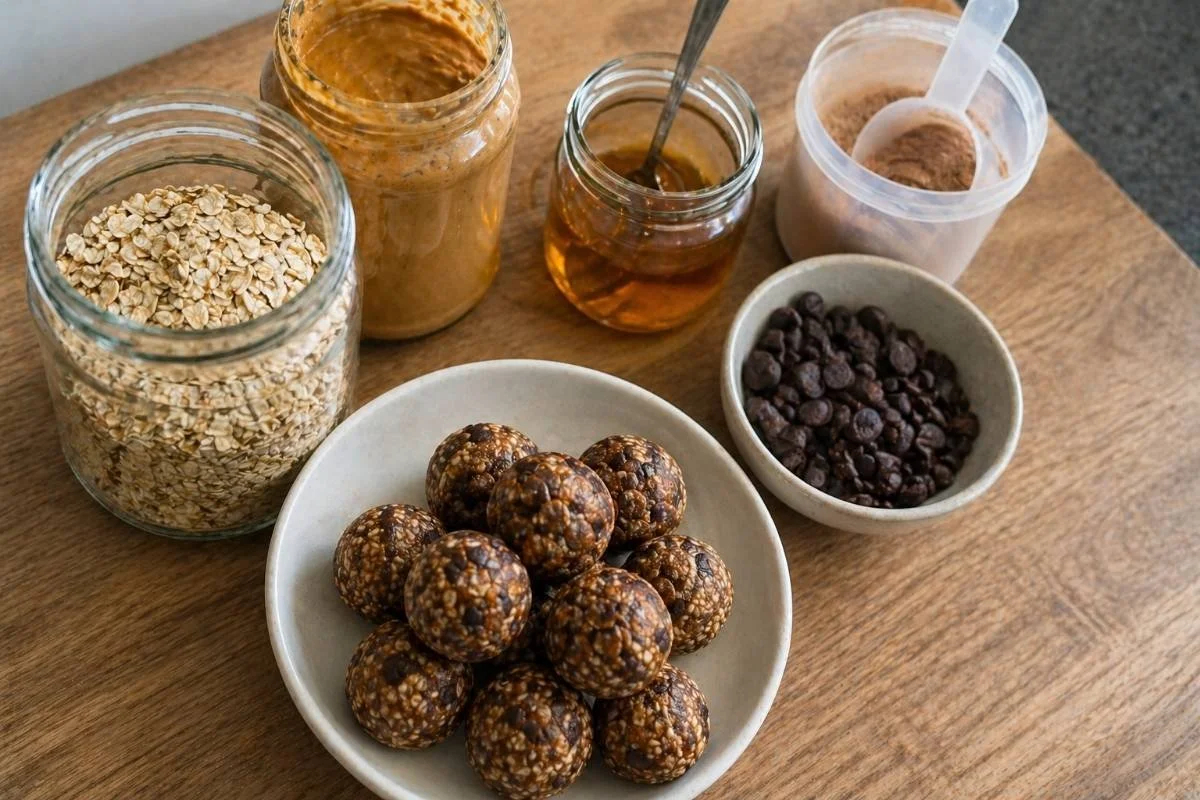
Quick Energy balls for Padel Players:
1 cup oats
2 tbsp peanut butter
2 tbsp honey
1 scoop protein powder
Handful of dark chocolate chips
Instructions:
Mix all ingredients
Roll into small balls
Chill for 30 minutes
mariosuter.com
Why it works:
Easy to carry, quick to eat, and a practical source of carbohydrates and protein during longer sessions or tournaments.
Common Mistakes (From Casual Matches to Tournaments)
Eating one large meal and relying on it
Leaving too long between snacks
Not hydrating early enough
Over-relying on sugary snacks
Trying new foods on match day
Key Takeaways
Fuel before you feel tired
Prioritise carbohydrates for energy
Include protein throughout the day
Stay consistently hydrated
Use small snacks between matches
Keep everything simple and repeatable
### Padel Match-Day Nutrition Cheat Sheet
📲 Tip: Right-click or press the image to save this guide to your phone so you have it ready for your next match day. Share it with your padel team!
FAQ
What should I eat before a padel match?
A balanced meal 2-3 hours before playing is ideal. Good options include oats with yoghurt and fruit, rice with chicken, or wholegrain toast with eggs. If needed, add a light snack such as a banana, dates, or rice cakes 30-60 minutes before your match.
How should I adjust nutrition for longer sessions or multiple matches?
Keep the same pre-match meal, then add small, frequent snacks between matches to maintain energy levels. Fruit, yoghurt, smoothies, dates, rice cakes, and energy balls are all practical options that are easy to digest.
Do I need electrolytes when playing padel?
Not always. Water is usually sufficient for most recreational matches. Electrolytes can be helpful during longer sessions, tournaments, heavy sweating, hot conditions, or if you are prone to cramping.
How much protein do padel players need?
Most padel players should aim for around 1.2-1.6 g of protein per kg of bodyweight per day, depending on training volume and intensity. Spreading protein across multiple meals throughout the day generally works best for recovery and muscle maintenance.
Can I play padel on an empty stomach?
Some people tolerate fasted exercise well, but most players perform better after consuming at least a small amount of carbohydrate beforehand. Even a banana, a few dates, or a yoghurt can help support energy levels, concentration, and consistency on court.
What are the best snacks for a padel tournament?
Good options include bananas, dates, rice cakes, energy balls, yoghurt, smoothies, dried fruit, and simple sandwiches. Choose foods that are easy to digest, familiar to you, and provide a steady source of energy between matches.