Inflammation Is Not the Problem
Inflammation is your body’s built-in defence and repair system. It activates in response to injury, infection, or stress and helps restore balance.
Acute inflammation is short-term and adaptive. It protects and heals.
The problem starts when inflammation becomes chronic. At that point, it shifts from helpful to destructive.
When Inflammation Turns Against You
Chronic, low-grade inflammation is not something you feel directly. It builds quietly and becomes systemic.
It is often the result of repeated triggers the body never fully resolves.
Common triggers
Poor diet and excess sugar
Toxins and environmental load
Infections or gut imbalance
Lack of sleep and movement
These triggers activate inflammatory pathways at a cellular level, including cytokines and signalling systems that keep the body in a constant “alarm” state.
Over time, this creates what is often called “inflammaging” — a slow burn that drives disease.
Why It Matters
Chronic inflammation sits at the centre of many modern conditions:
Cardiovascular disease
Type 2 diabetes
Digestive disorders
Joint pain and osteoarthritis
Autoimmune conditions
Depression and cognitive decline
It is not one disease. It is the underlying terrain.
The Gut Connection
One of the biggest drivers is the gut.
The intestinal lining is your largest interface with the outside world. When it becomes compromised, larger particles and toxins can enter circulation and trigger immune responses.
Low microbial diversity is strongly associated with higher inflammation and poorer health outcomes.
This is why gut health is not separate from inflammation. It is central to it.
Step One: Remove the Drivers
Before adding anything, reduce the load.
Start here
Refined sugar
Ultra-processed foods
Excess alcohol
Trans fats and poor-quality oils
High sugar intake alone can suppress immune function for hours and promote inflammation.
Often worth testing
Dairy
Gluten
Short-term removal can help identify sensitivities and reduce inflammatory burden.
Step Two: Build an Anti-Inflammatory Base
The foundation is not a single “superfood”. It is diversity.
What that looks like
High intake of vegetables and fruits
Nuts and seeds
Omega-3 rich foods (fish, flax, walnuts)
Olive oil and healthy fats
Minimal processed foods
A Mediterranean-style, whole-food approach consistently shows the strongest anti-inflammatory effects.
Key concept: eat the rainbow
Different colours mean different phytonutrients, each influencing inflammation through distinct pathways.
Natural Anti-Inflammatory Compounds
Certain foods actively regulate inflammatory pathways:
Ginger: inhibits multiple inflammatory pathways including COX and NF-kB
Turmeric (curcumin): reduces pro-inflammatory cytokines and oxidative stress
Green tea: supports antioxidant defences
Garlic: immune-modulating
Curcumin, for example, directly influences inflammatory signalling and may reduce markers similar to some pharmaceutical approaches.
Anti-Inflammatory Smoothie
A simple way to increase daily intake of anti-inflammatory compounds.
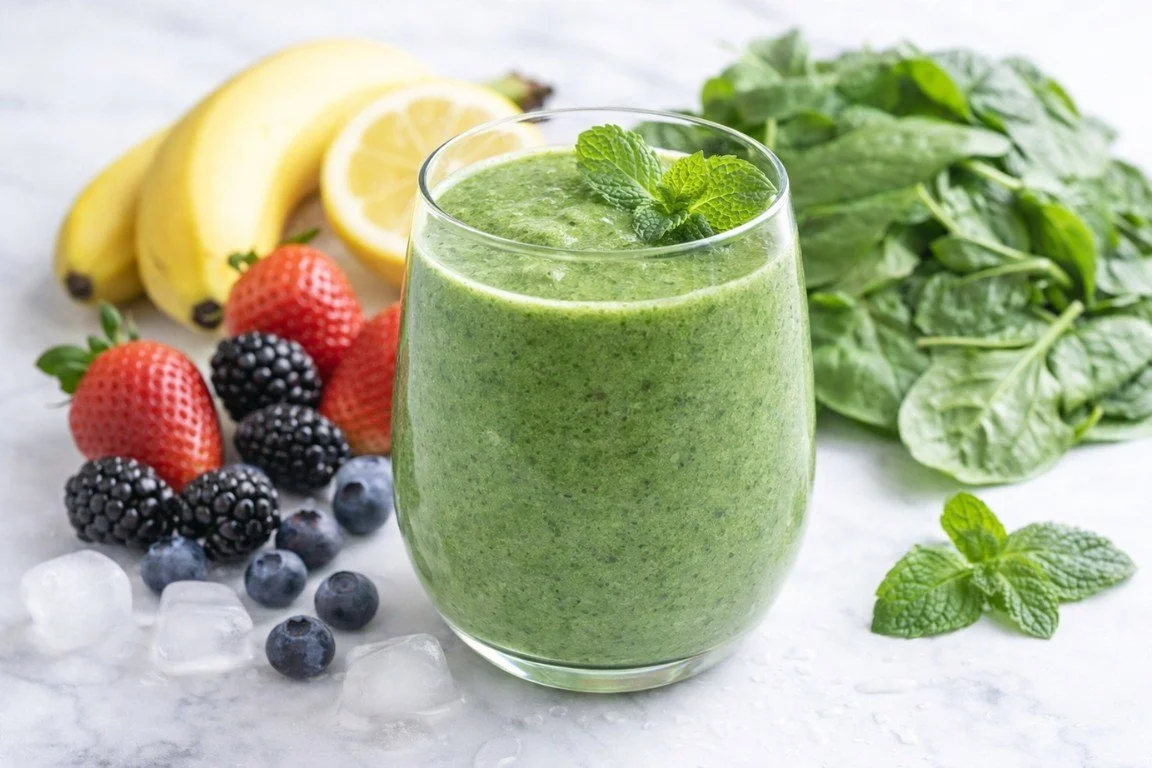
Anti-Inflammatory Smoothie
1 banana
4 tbsp fresh lemon juice
½ cup strawberries
½ cup blackberries or blueberries
2 cups baby spinach
Fresh mint
1 cup cold water or ice
Optional upgrades (recommended)
1 tsp grated ginger
½ tsp turmeric + pinch black pepper
1 tbsp chia or flax seeds
Simple Daily Structure
Keep it practical:
Start the day with a polyphenol-rich smoothie
Build meals around vegetables and protein
Add healthy fats to stabilise blood sugar
Include fermented foods regularly
Move daily and prioritise sleep
Exercise itself reduces inflammatory signalling and improves immune regulation.
Sleep matters just as much. Even short-term sleep loss increases inflammatory markers.
Where Supplements Fit
Food first. Always.
But there are cases where they are necessary:
Omega-3 if intake is low
Vitamin D where deficient
Curcumin for targeted support
They work best when layered onto a solid foundation, not used as a shortcut.
The Bottom Line
Inflammation is not something to eliminate. It is something to regulate.
Chronic inflammation is driven by cumulative load: diet, stress, environment, and gut health.
The strategy is straightforward:
Reduce the triggers
Support the gut
Build a diverse, whole-food diet
Add targeted support where needed
Do that consistently, and the body moves back towards balance.
FAQ
Is inflammation always bad for your health?
No. Inflammation is a normal and necessary response in the body, especially for recovery and healing. The problem arises when it becomes chronic or excessive.
What causes chronic inflammation?
Common factors include poor diet, chronic stress, lack of sleep, low physical activity, and underlying health issues. It’s usually a combination rather than a single cause.
How does diet influence inflammation?
Your overall diet plays a key role. Consistently eating nutrient-dense, balanced meals can support normal inflammatory responses, while highly processed and unbalanced diets may contribute to ongoing inflammation.
Can inflammation affect energy and performance?
Yes. Excessive or poorly managed inflammation can impact recovery, energy levels, and how you feel day to day, especially if you are active or training regularly.
Do I need supplements to reduce inflammation?
Not necessarily. In most cases, improving overall nutrition, sleep, and lifestyle habits has a greater impact. Supplements can be useful in specific situations but should not replace the basics.
How do I know if inflammation is becoming a problem?
Persistent fatigue, ongoing digestive issues, slow recovery, or general discomfort can be signs. If you're unsure how to approach this, getting personalised guidance can help clarify what’s relevant for your situation. If you're not sure where to start, here's how to find a nutritionist online.